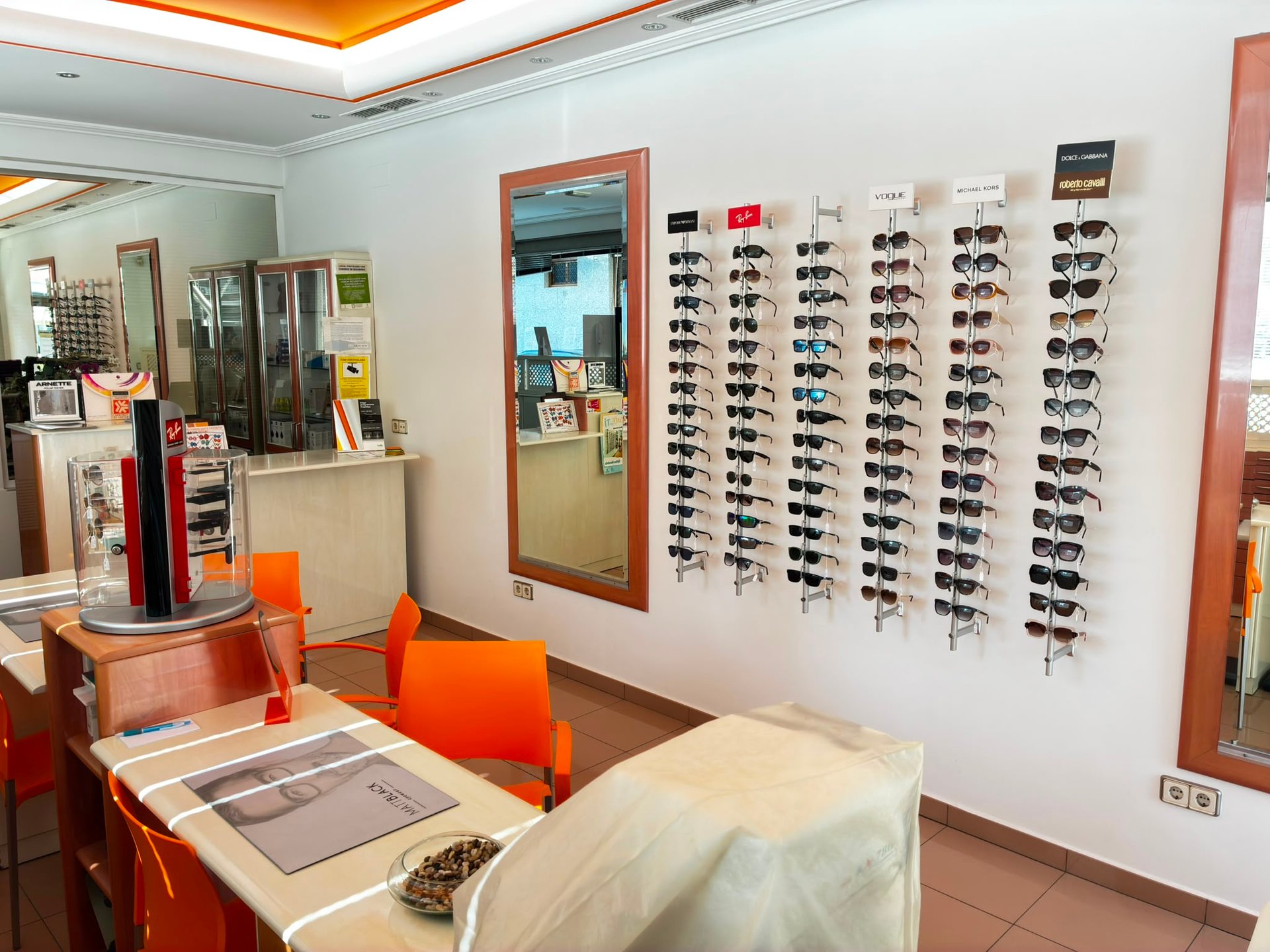
/ Step-by-step guidance
Every service begins with an accurate diagnosis
Before recommending any lenses, we make sure we understand what’s going on with your vision. The exam isn’t just a formality; it’s the starting point for everything that follows.
/ What we offer
Each service is designed to help you understand what you're getting and why that step is important for your long-term care.
Three areas of ongoing eye care
Complete visual examination
Prescription eyeglasses and contact lenses
Regular monitoring and oversight
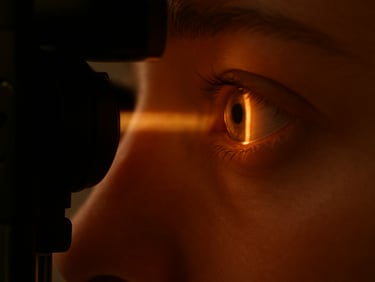
We assess eyesight with an optometric examination. We measure your eye pressure using an air tonometer. In addition to preventing eye problems, such as dry eyes.
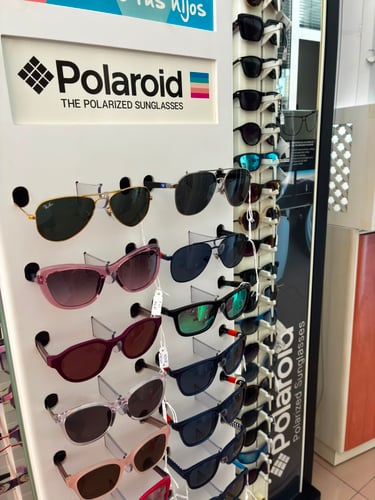
We select the type of lens best suited for each patient based on their prescription, their daily visual needs, and their age.
We recommend having an eye exam every two years to detect any changes in your vision. If you notice any changes in your vision, please don’t hesitate to come in for another exam.
• How we work
Proper fitting can’t be done on the fly
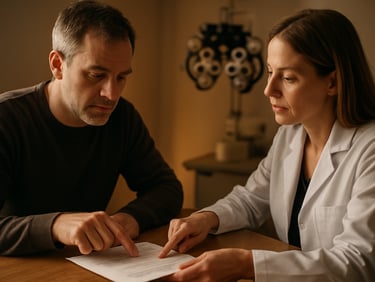
Every appointment begins with questions about how you use your eyes (a medical history): time spent in front of a screen, reading conditions, physical activity... These details will influence the prescription.
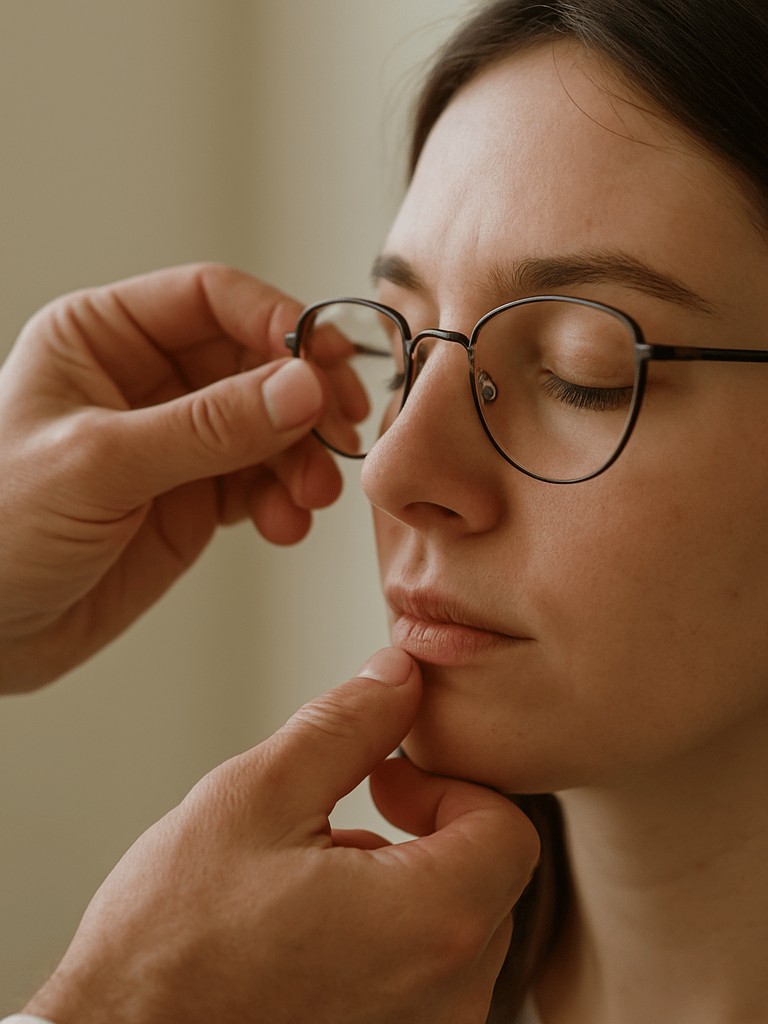
After the exam, we'll help you choose your new glasses and recommend the best lenses for you. We'll explain what each lens coating does and why it matters in each case.
Tu visión merece una revisión sin prisa
Agenda tu examen visual y recibe una evaluación detallada con explicación clara de cada hallazgo. Sin jerga técnica, sin decisiones apresuradas.